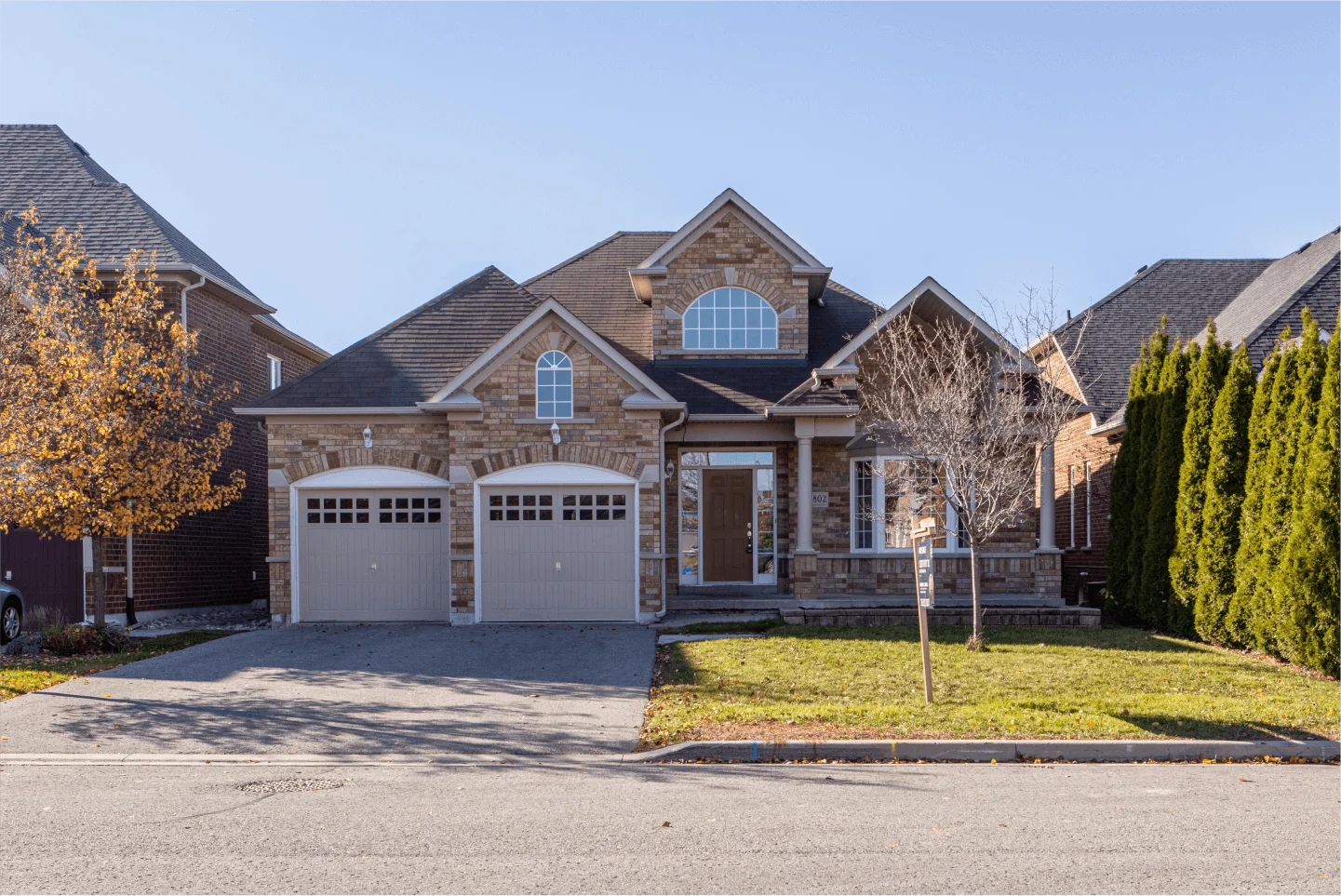
Many buyers believe they need to save 20% of a home’s price before they can buy. In Washington, DC, that belief can keep people from exploring their options sooner than they need to. A 20% down payment may be a useful goal, but it is not a requirement for every buyer or every loan.
The right down payment depends on your budget, the type of home you want, the loan program you qualify for, and how much cash you want to keep after closing. Understanding those pieces can help you make a plan that fits your life—not just a familiar rule of thumb.
What does 20% down actually mean?
A down payment is the part of the home’s purchase price that you pay upfront. The mortgage covers the remaining amount. For example, on a $500,000 home, a 20% down payment would be $100,000, before closing costs and other expenses.
Putting 20% down can have benefits. It can reduce the amount you borrow, lower your monthly principal and interest payment, and help you avoid private mortgage insurance, or PMI, on many conventional loans. But it also means using a larger share of your savings at the start.
A smaller down payment may let you buy sooner and keep more cash available for moving, repairs, emergencies, or other goals. The tradeoff is that you may have a larger loan payment and may need to pay mortgage insurance. The best choice is not always the one with the largest down payment. It is the one that makes the full cost of homeownership manageable.
You may be able to buy with less than 20%
Some loan programs allow qualified buyers to put down less than 20%. Conventional loans may offer down payment options below 20%, depending on factors such as the borrower, the property, and the loan program. FHA loans may also allow a lower down payment for eligible borrowers. VA loans for eligible service members, veterans, and certain surviving spouses may offer a no-down-payment option, while some USDA loans may also allow eligible buyers to purchase with no down payment in qualifying areas.
Each program has its own requirements. These can include credit, income, debt, property, occupancy, and loan limits. A low down payment does not mean there are no costs or that approval is automatic. It means the program may allow you to finance a larger share of the purchase price if you meet its rules.
Conventional loans and mortgage insurance
With many conventional loans, putting down less than 20% means paying PMI. This insurance protects the lender, not the borrower. Its cost depends on details such as the loan amount, down payment, credit profile, and loan structure.
PMI adds to your monthly housing cost, but it does not necessarily last for the entire loan. In many cases, borrowers may be able to request cancellation once they meet certain equity and payment requirements. Rules vary, so it is important to understand how mortgage insurance works for the specific loan you are considering.
When comparing a smaller down payment with a larger one, look at the whole monthly payment—not only the principal and interest. Include property taxes, homeowners insurance, any mortgage insurance, and, if applicable, condo or homeowners association fees. This gives you a more realistic picture of what the home may cost each month.
DC programs may help eligible buyers
Washington, DC has programs that may help eligible homebuyers with down payment or closing costs. Program rules can depend on income, household size, location, property type, and whether the home will be your primary residence. Funds and program terms can change, and assistance may come with conditions such as education requirements, repayment rules, or restrictions on future sale or refinancing.
Assistance is not always a grant that never needs to be repaid. It may be structured as a loan, a deferred loan, or another form of support. Before building your plan around assistance, confirm the current requirements and how the help would affect your mortgage, closing costs, and long-term plans.
It can also help to think about timing. Some assistance programs require you to complete a homebuyer education course or meet other steps before closing. Learning about these requirements early can help prevent delays later.
Remember that the down payment is not the only upfront cost
Even if your loan allows a small down payment, you will need to plan for other expenses. Closing costs may include lender fees, title services, taxes, prepaid insurance, and other charges. The amount depends on the property and transaction. You may also need money for a home inspection, moving expenses, utility deposits, repairs, or new furniture.
In DC, the type of property matters. A condo may have monthly fees and building rules. A row house may need repairs or ongoing maintenance. A property with an older roof, plumbing, or heating system could require extra funds after you move in. A home inspection can help you understand the property’s condition, though it cannot predict every future repair.
Try not to use every dollar you have just to reach a particular down payment percentage. Keeping some savings for emergencies and homeownership costs can provide breathing room. The right balance depends on your income, expenses, job stability, and comfort with risk.
Compare the full costs of different down payments
It can be helpful to compare more than one down payment option. For example, you might review how your payment and cash needed at closing change with a lower down payment, a middle option, and 20% down. The comparison should include mortgage insurance where it applies, estimated taxes and insurance, closing costs, and the savings you would have left afterward.
A larger down payment can reduce the loan amount, but using all your available cash may leave you with little cushion. A smaller down payment may preserve savings, but it can increase the monthly payment. Consider how each option fits your budget after accounting for groceries, transportation, childcare, debt payments, savings, and other regular expenses.
It is also useful to think about how long you expect to stay in the home. If you plan to move in a few years, the costs of buying and selling may matter more. If you expect to stay longer, you may have more time to build equity. No one can know exactly how home values or your plans will change, so it is wise to use assumptions that feel realistic rather than counting on a future sale to solve a tight budget.
Strengthen your plan before you buy
Start by reviewing your monthly budget and savings. Decide what payment feels comfortable, not just what a lender may approve. A preapproval can help you understand a possible loan amount and the documents needed, but it is still important to set your own limit.
You can also prepare by checking your credit reports, paying bills on time, and avoiding major new debt while you are getting ready to apply. A new car loan or large credit card balance may affect your finances and loan approval. If you have questions about a past credit issue, income changes, or student loans, bring them up early so you can understand how they may affect your options.
As you look at homes, keep the property’s condition and ongoing costs in mind. A home that is at the top of your budget may be harder to manage if it needs repairs or has high monthly fees. A realistic price range can help you focus on homes that support both your housing needs and your financial well-being.
There is no single down payment that is right for every DC buyer. You may have more options than you think, and a clear plan can help you decide whether a lower down payment, a larger down payment, or an assistance program makes sense for your situation. Reach out to go over your goals, budget, and specific needs so we can review the options available to you.
